


Our team of experts
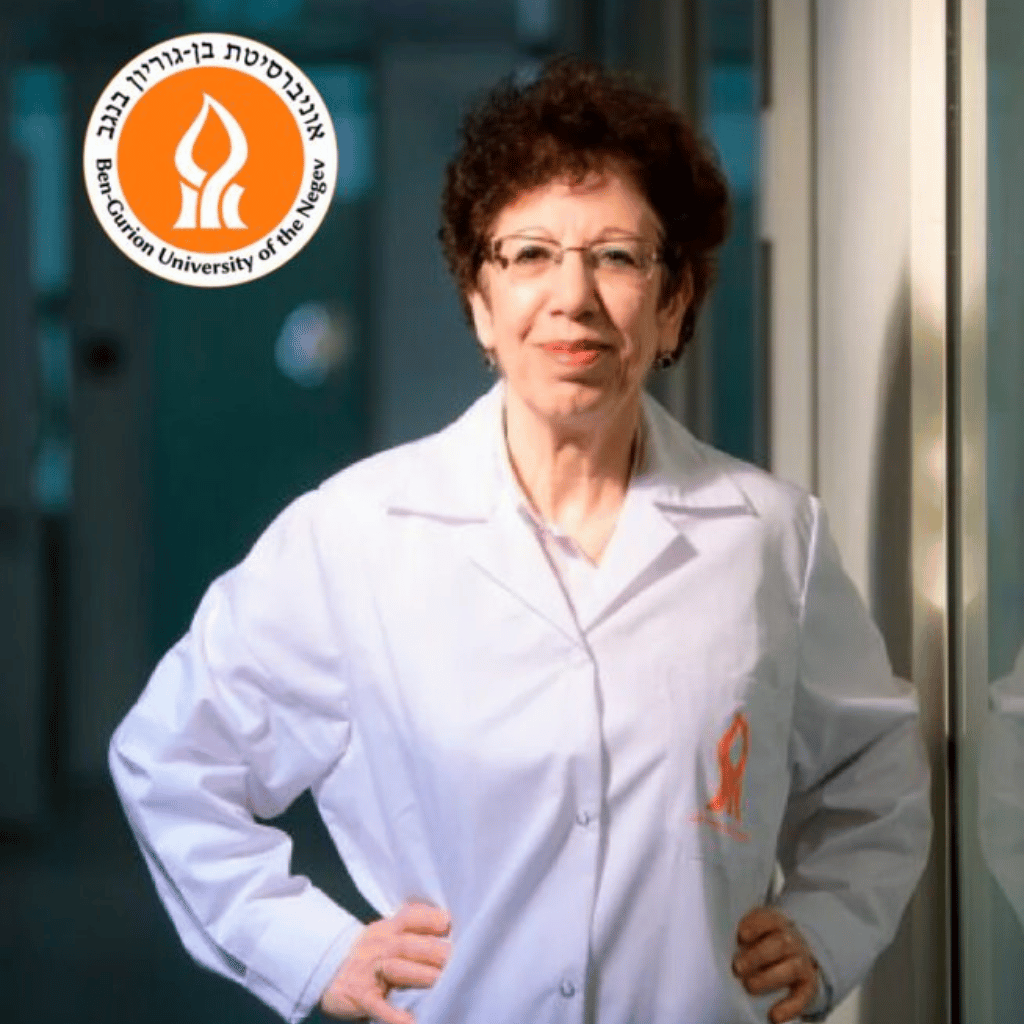
Prof. Varda Shoshan-Barmatz
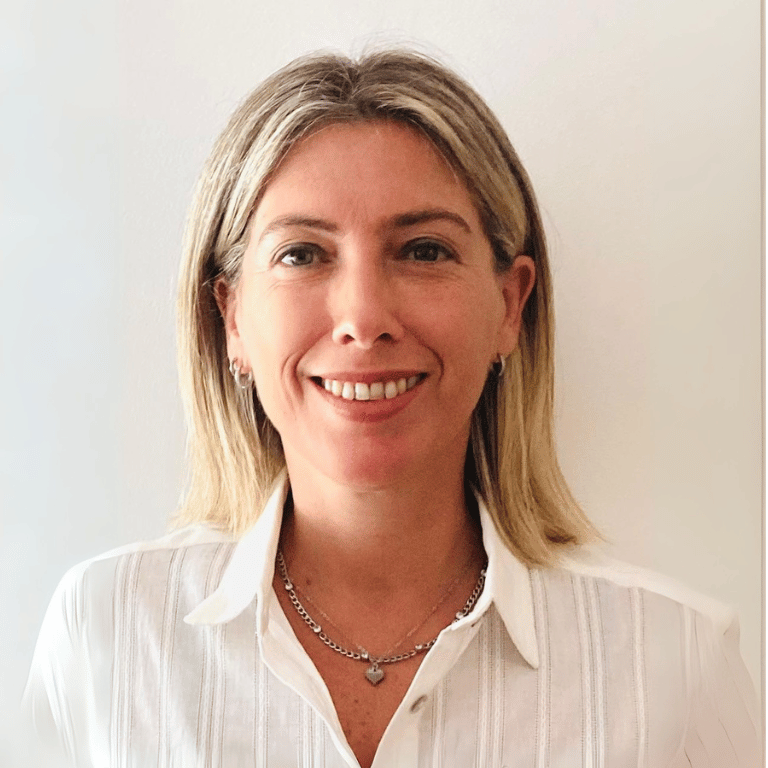
Lic. Lerena Fugazot
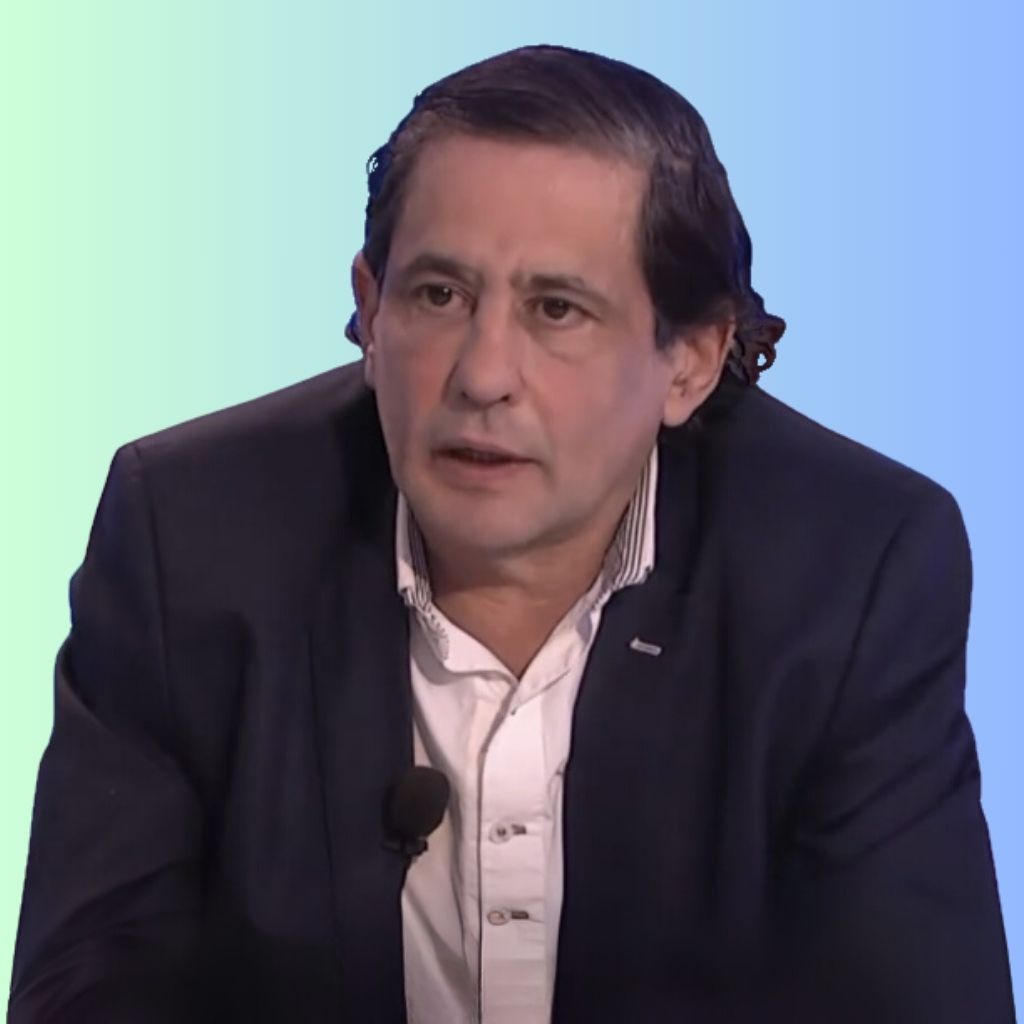
Dr. Daniel Milnitsky
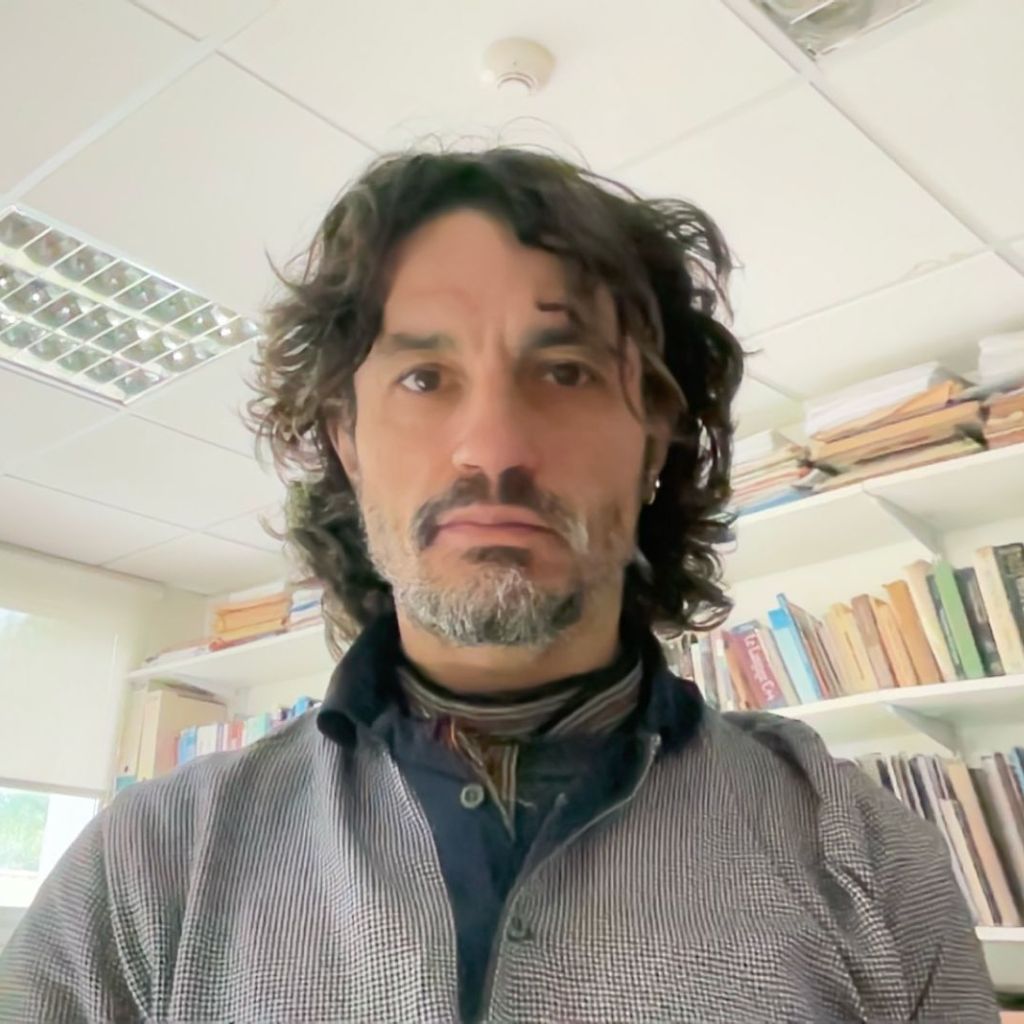
Martin Grana, PhD
Prof. Varda Shoshan-Barmatz
A World Leader in Mitochondrial Research and Its Therapeutic Applications
Professor Varda Shoshan-Barmatz is an internationally renowned scientist, recognized for her groundbreaking discoveries in bioenergetics and cellular metabolism. Her research has focused on the fundamental role of mitochondria in health and disease, with a particular emphasis on the voltage-gated anion channel (VDAC1), a key protein at the crossroads of cellular metabolism and programmed cell death (apoptosis).
Academic and Leadership Positions:
- Professor in the Department of Life Sciences at Ben-Gurion University of the Negev (BGU), Israel.
- Founder and Director of the National Institute of Biotechnology in the Negev (NIBN), a cutting-edge institution dedicated to translational research and the development of novel therapies.
- Holder of the Hyman and Bessie Eisenberg Chair in Bioenergetics and Cancer Metabolism.
Areas of Specialization and Research:
Prof. Shoshan-Barmatz’s pioneering research has unveiled the multifunctional role of the VDAC1 protein, identifying it as a promising therapeutic target for a wide range of diseases, including:
- Cancer: She has developed innovative strategies to combat cancer by modulating VDAC1, leading to the inhibition of tumor growth and the reversal of oncogenic properties. Her approaches include VDAC1 gene silencing, the use of VDAC1-based peptides, and small molecules that interact with this protein.
- Neurodegenerative Diseases: Her work explores how VDAC1-mediated mitochondrial dysfunction contributes to pathologies such as Alzheimer’s disease and Amyotrophic Lateral Sclerosis (ALS), and she is developing novel therapeutic targets to protect neurons.
- Metabolic Diseases: She has investigated the impact of VDAC1 in diseases such as nonalcoholic steatohepatitis (NASH) and diabetes, demonstrating the therapeutic potential of VDAC1-based peptides to suppress associated pathologies.
- Autoimmune Diseases: Her research has shed light on the role of VDAC1 in the release of mitochondrial DNA, a process that can trigger autoimmune responses such as those in lupus.
Outstanding Achievements and Recognitions:
- Publications: Author of more than 200 scientific articles in prestigious international journals, such as Science, Molecular Therapy, Neuro-Oncology, and Cell Calcium.
Patents: She holds dozens of patents protecting her innovative VDAC1-based therapeutic strategies. - Awards and Distinctions: She has received numerous awards for excellence in research and teaching, including the «Excellent Scientist Award» from the city of Beer-Sheva and the «Excellence in Teaching Award» from BGU.
- Funding: Her laboratory has received significant and ongoing funding from prestigious agencies such as the Israel Science Foundation (ISF), the Leukemia & Lymphoma Society (USA), and the Israel Ministry of Health.
- Scientific Entrepreneurship: She has co-founded biotechnology companies, such as Metabomed, with the goal of translating her discoveries from the laboratory to the clinic, developing novel cancer drugs.
Prof. Shoshan-Barmatz is an inspirational figure in the scientific community, whose work has not only expanded our fundamental knowledge of cell biology but also opened exciting new avenues for treating some of the most devastating diseases of our time. Her addition to Green-Sapiens.com brings invaluable experience and insight at the interface of fundamental science and therapeutic innovation.
VDAC1 is essential for neurite maintenance and the inhibition of its oligomerization protects spinal cord from demyelination and facilitates locomotor function recovery after spinal cord injury | Scientific Reports
https://share.google/1Zp7PXGJeiRytdXoq
VDAC1, mitochondrial dysfunction, and Alzheimer’s disease – ScienceDirect
https://share.google/ZBeUKwf4CwrOBdBkt